
Monstrous motherhood: when love becomes monstrous
A reading of the uneasy boundary between protection, possession and the monstrous mother.
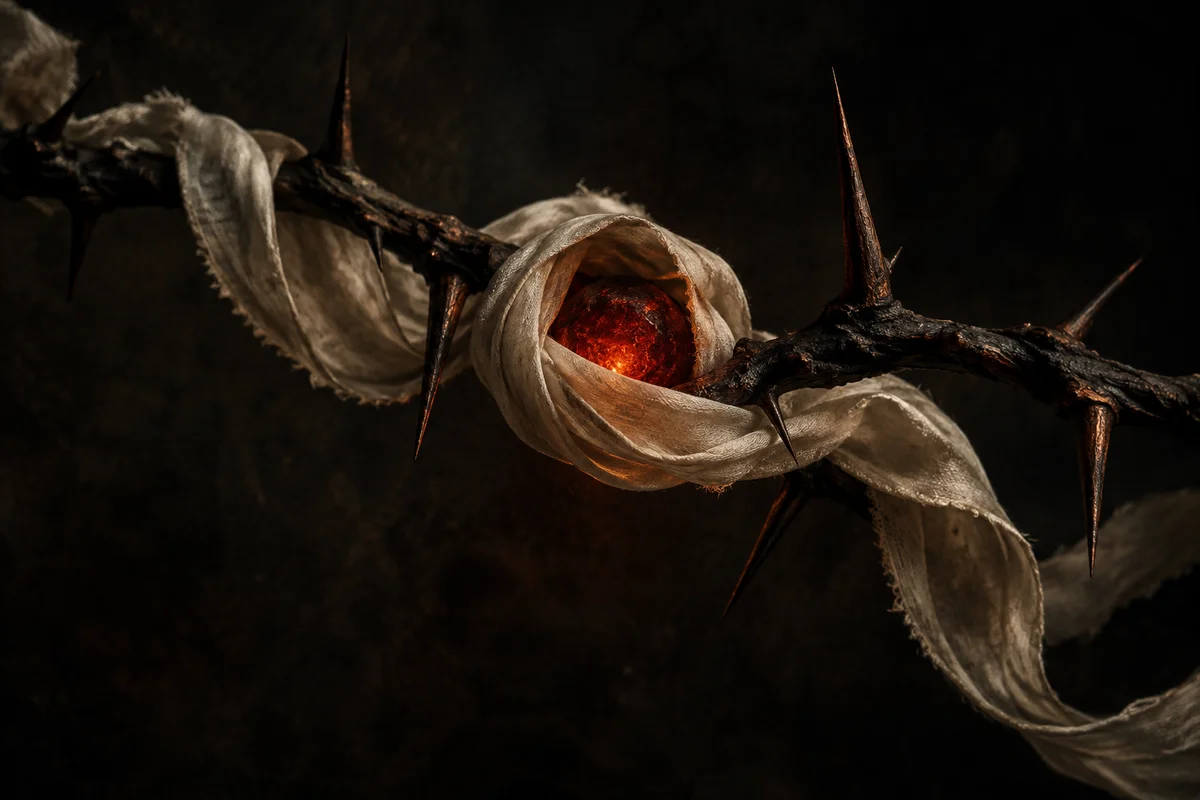
A mother who protects her child is easy to understand. A mother who destroys everything around that child is harder to place. Between those two figures lies a question that makes dark stories compelling: when does protection become something we should fear?
This essay approaches the monstrous mother as a way of reading fiction, rather than a judgement about actual mothers. The interest is in what a story asks us to accept, excuse or resist.
Whose monster is she?
The word monster sounds like a description, but it can also be an accusation. Before accepting it, consider who speaks it. A ruler may call someone monstrous because she refuses obedience. A child may use the same word because she has made their home a prison. Both voices matter; neither should automatically settle the question.
A useful reading begins by separating appearance from action. Claws, scales or a frightening face tell us how a character looks. They do not tell us whether she respects another person’s freedom. A beautiful character can be cruel; an unsettling one can be tender. The tension becomes richer when the story makes those easy judgements unreliable.
The limits of protection
Protection usually has an object: keep someone safe from a particular danger. Possession changes the aim. It seeks to keep someone close, even when closeness is no longer what that person wants.
That difference gives a reader something concrete to watch. Does the mother listen when the child disagrees? Can the child leave? Is a sacrifice freely chosen, or does it become a debt the child must repay? A protective act can be loving and still have consequences that the person performing it refuses to see.
This is where an uncomplicated rescue can become a darker story. The original danger may disappear while the habits formed in response to it remain. The fortress stays locked after the enemy has gone.
Sympathy without permission
Understanding a character’s fear does not require approving every response to it. Fiction gives us room to feel sympathy and alarm at the same time. A scene may make the reasons for an act painfully clear while leaving the act itself troubling.
For me, this is the most interesting version of monstrous motherhood: a character whose love is real, whose fear is understandable, and whose choices still deserve scrutiny. The story becomes less about deciding whether she is good or evil and more about noticing what her love allows others to become.
When reading a story like this, keep two questions beside each other: What is she trying to save? And what is her protection costing the person she loves? The distance between the answers is often where the darkness lives.